

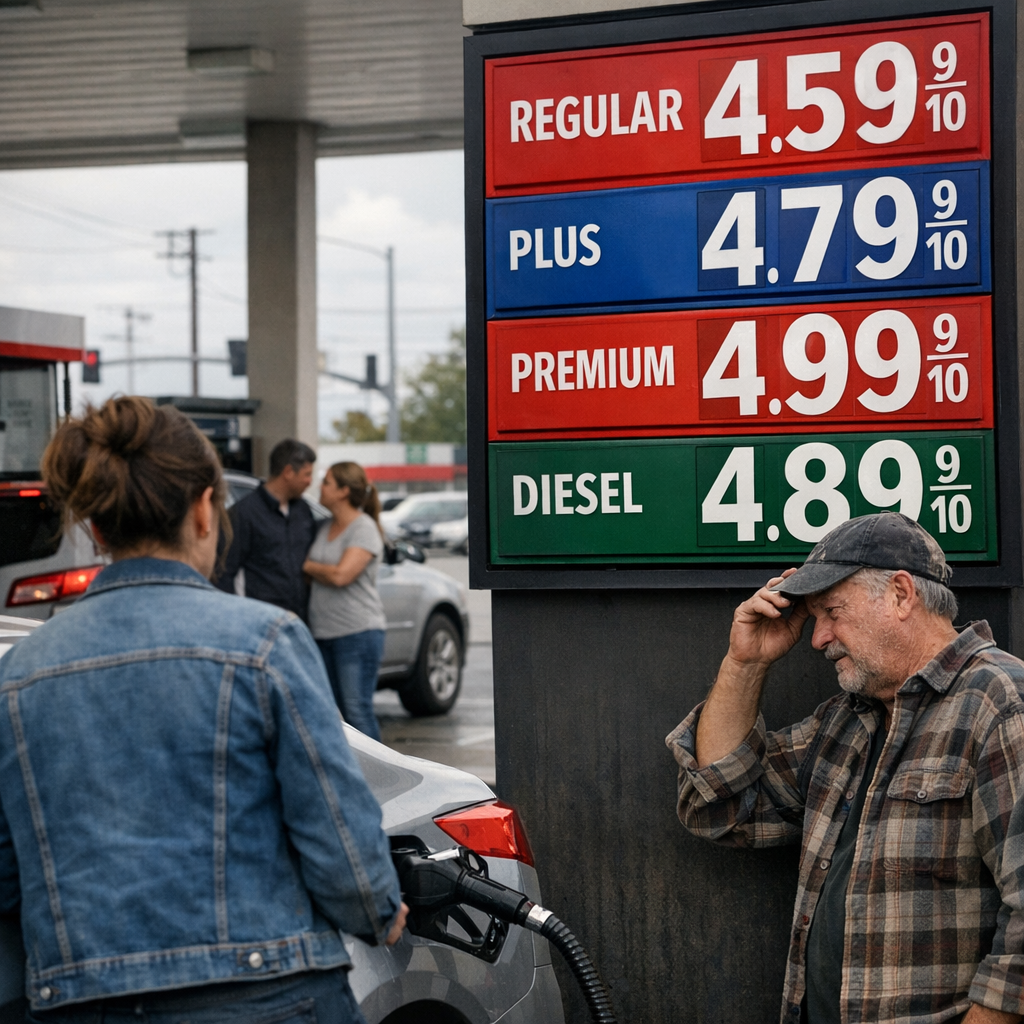
Recent developments in the U.S. economy have raised concerns among consumers and policymakers alike. Inflation has surged to 3.8% in April, marking its highest level in three years. This increase is largely attributed to the ongoing military conflict with Iran, which began in February and has led to the closure of the Strait of Hormuz, a critical passage for global oil shipments. Consequently, national average gas prices have exceeded $4.50 per gallon, with some states experiencing prices above $5.
The economic strain is palpable among the American public. A recent CBS News/YouGov poll indicates that 70% of Americans feel “angry” or “frustrated” about the current administration’s handling of the economy. Only 11% expressed enthusiasm, and 19% reported satisfaction. Additionally, 77% of respondents stated that their incomes are not keeping pace with rising prices, leading to increased reliance on credit and a decline in consumer confidence.
Despite these challenges, the administration remains optimistic, citing strong GDP growth driven by advancements in artificial intelligence and a booming stock market. However, the disconnect between macroeconomic indicators and individual financial experiences continues to fuel public dissatisfaction.
As the nation approaches the midterm elections, these economic issues are likely to play a significant role in shaping voter sentiment and political outcomes.