

By Alexander Perez
Chandler’s weather and environment are shaped by the desert’s extremes, shifting seasons, and community efforts. By knowing what to expect in terms of climate, water, and air quality, you can better prepare—whether for gathering in rainstorms or protecting outdoor health.
Weather Rhythms: From Monsoon to Cooler Nights
What defines our monsoon season?
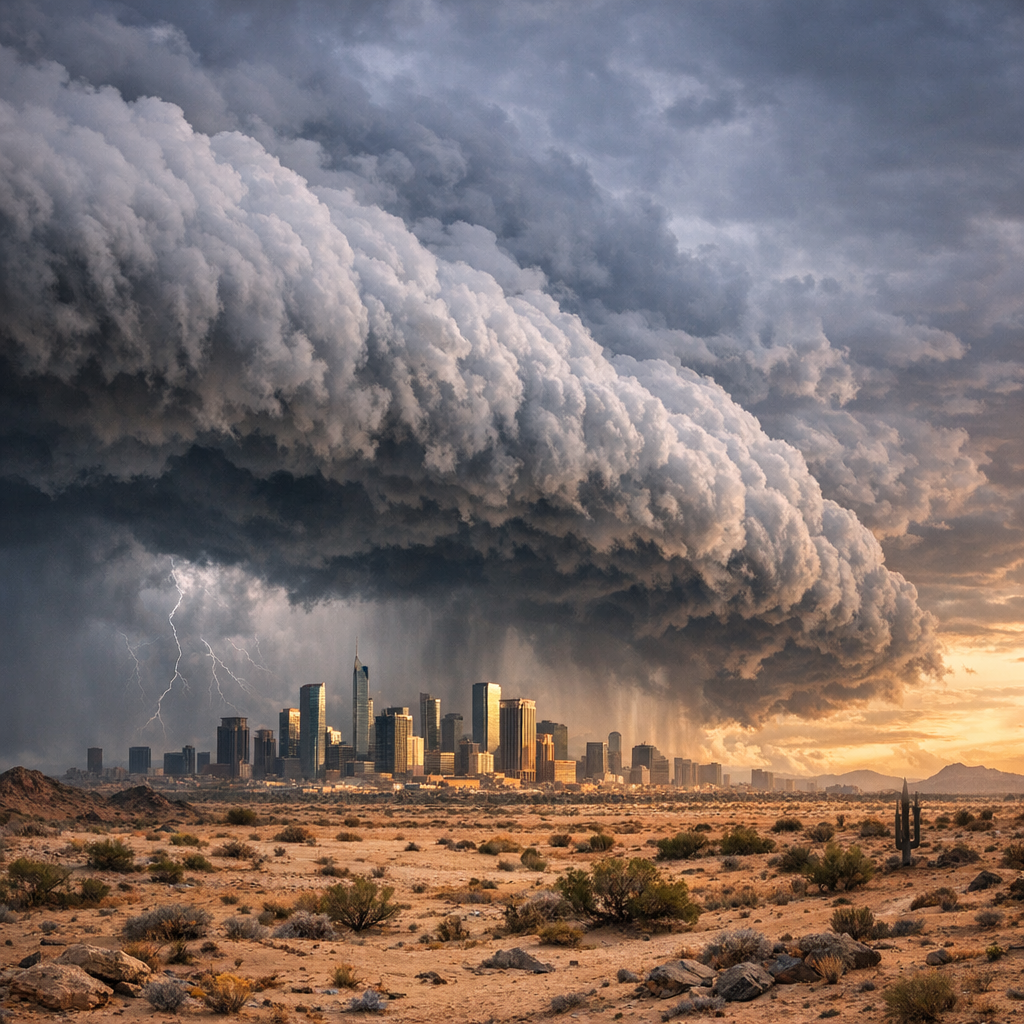
In Chandler, the monsoon officially spans from June 15 to September 30. During this period, we experience a shift in airflow that pulls moisture from the Gulf of California and Gulf of Mexico, spurring thunderstorms and heavy downpours. These storm systems often bring dramatic walls of dust known as haboobs, which may limit visibility and bring sudden gusting winds. These weather patterns typically build in intensity through July and August before tapering off later in September. The arrival and end of the monsoon can vary locally.
Temperature swings and seasonal transitions
Outside monsoon season, Chandler sees wide temperature swings. Daytime highs in summer still reach triple digits, dropping significantly after sunset. Winters are mild by comparison, with January highs in the mid-60s°F and lows occasionally dipping near freezing during nights. Winter and spring also bring occasional rain chances from Pacific moisture systems. Overall, Chandler averages more than 300 sunny days per year, but when clouds roll in for storm systems, they bring both relief and risk.
Environmental Concerns & Community Resilience
Air quality and dust risks
Dust storms are not just cinematic—they affect health and safety. High winds during dry spells or monsoonal storms stir up particulate matter (PM10), which can reach hazardous levels in short bursts. These events reduce visibility and can aggravate respiratory conditions. Chandler’s Environmental Management oversees dust permits and cooperates with regional agencies to monitor and enforce air quality standards.
Water conservation and drought planning
Water is a precious resource in the desert, and Chandler has invested heavily to ensure resilience. The city taps into multiple sources like river water (Salt, Verde, and Colorado), groundwater, reclaiming water, and long-term underground storage. Chandler has stored over 500,000 acre-feet of water underground to be used in surface water shortages.
Water conservation tools include:
- Reclaimed water systems for irrigation and reuse.
- Ordinances that require water-efficient landscaping, plumbing fixtures, and reduced turf areas in new developments.
- Public incentive programs: rebates, audits, and educational efforts.
Residents are encouraged to monitor city communications about supply status. In severe shortage scenarios (e.g., when surface water supply drops below ~70%), restrictions may be required.
What You Can Do
Here are practical steps to live in harmony with these environmental patterns:
- Keep an eye on weather alerts—especially for dust storms or flash flooding during monsoon peaks.
- Adjust outdoor routines: intense afternoon storms, cooler nights, and sudden drops in visibility call for flexibility.
- Reduce dust exposure: wet down loose soil, avoid yard work during high winds, and consider indoor air filtration when needed.
- Be water-smart: use low-water landscaping, fix leaks, harvest rain when possible, and take advantage of city rebates.
Chandler’s climate brings both challenges and spectacle, from thunderheads that paint the sky to dry seasons that test our resource planning. Knowing the patterns—and how we collectively respond—helps foster a community that’s safe, resilient, and informed.